
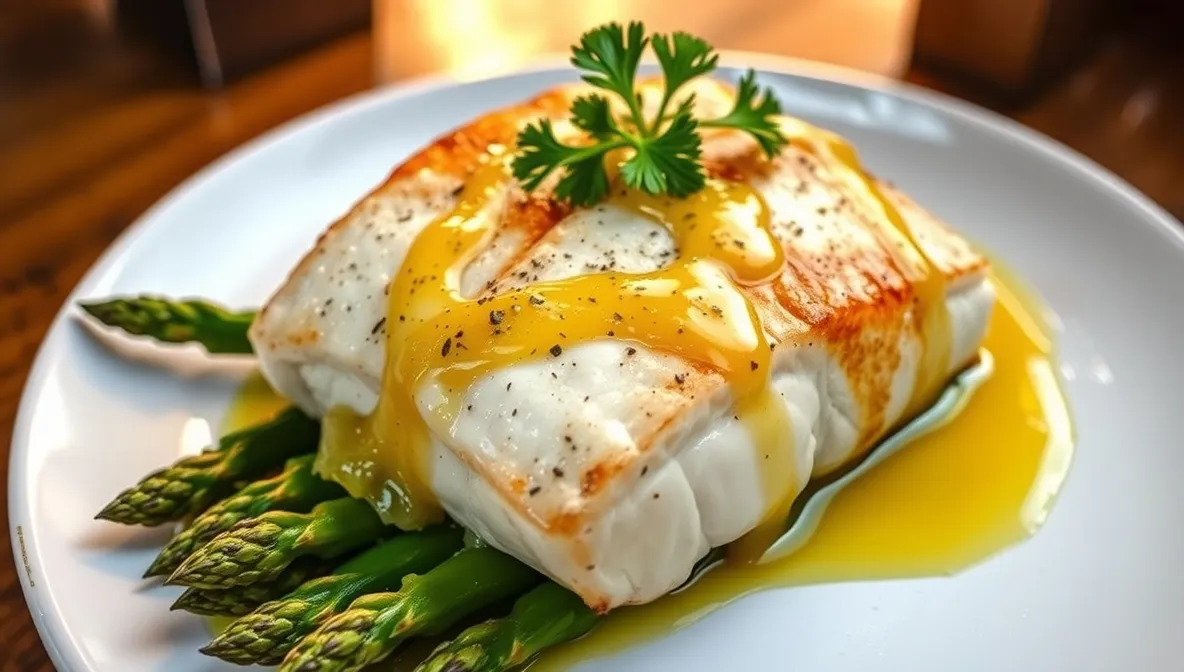
When it comes to versatile, healthy, and high-protein seafood, a solid **mahi mahi recipe** is an essential tool for any home cook. Known for its mild flavor and firm, large-flaked texture, mahi mahi (also known as the dolphin fish, though completely unrelated to dolphins) is the perfect canvas for bold spices, citrusy glazes, and savory butter sauces. Whether you are aiming for a restaurant-style blackened sear or a light, citrusy bake, this tropical fish delivers a gourmet experience with very little effort.
In this comprehensive guide, we will explore the best techniques for preparing this lean fish, ensuring it remains moist and flavorful every single time. With over 33,000 monthly searches, it’s clear that foodies are looking for the perfect **mahi mahi recipe**, and we have spent weeks perfecting the balance of lemon, garlic, and heat to bring you the definitive version. This dish fits perfectly into your **Dinner** schedule and qualifies as one of our favorite **Quick Recipes** due to its remarkably fast cook time.
- Choosing the Best Fillets
- The Flavor Profile
- Preparation Steps
- Baking Time and Temperature
- The Blackening Seasoning
- The Sear
- Recommended Side Dishes
- Don’t Crowd the Pan
- The Importance of Resting
- How long do you cook mahi mahi?
- Is mahi mahi a healthy fish?
- Can I cook mahi mahi from frozen?
- What does mahi mahi taste like?
- Recipe Summary: 20-Minute Lemon Garlic Mahi Mahi
- Steps to Follow (How to Cook Mahi Mahi)
- Tools You’ll Need
Understanding Your Mahi Mahi Recipe Ingredients
Success with any **mahi mahi recipes** starts with the quality of the fish. Mahi mahi is a lean fish, which means it doesn’t have the heavy oil content of something like our sockeye salmon recipe. Because of this, the aromatics and fats you add during the cooking process are vital for preventing the fish from drying out.
Choosing the Best Fillets
When shopping for your **mahi mahi fish recipe baked** or seared, look for fillets that are firm to the touch and have a translucent, pinkish-beige color. If you see dark red spots (bloodlines), don’t worry—these are natural, though some chefs prefer to trim them for a milder flavor. If you are using frozen fish, ensure they are vacuum-sealed and have no ice crystals inside the bag, which indicates freezer burn.
The Flavor Profile
- **Lemon and Garlic:** The acidity of lemon cuts through the density of the fish, while garlic provides a savory backbone.
- **Butter vs. Olive Oil:** For a true **baked mahi mahi recipe**, a combination of both is best. Olive oil handles the heat, while butter provides the richness.
- **Fresh Herbs:** Parsley, dill, or even cilantro can transform the dish depending on the cuisine style you prefer.
Mastering the Best Baked Mahi Mahi Recipe
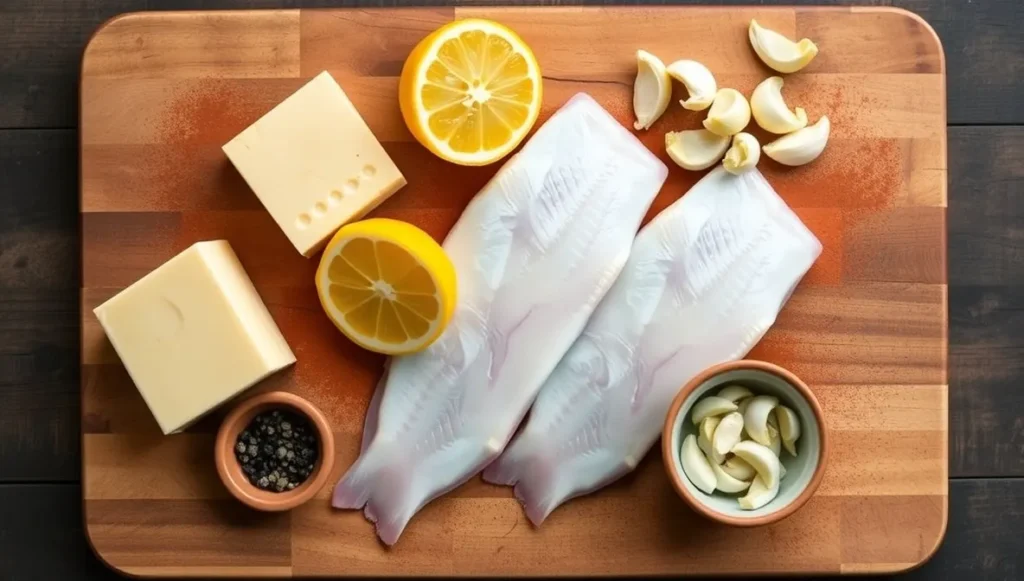
Baking is perhaps the most foolproof method for a **mahi mahi oven recipe**. It allows the fish to cook evenly without the risk of the exterior burning before the center is done. This method is ideal for those who want a hands-off approach to their **Dinner**.
Preparation Steps
Preheat your oven to 400°F (200°C). Pat the fillets extremely dry with paper towels—this is a secret tip for any **mahi mahi recipe** because moisture on the surface causes the fish to steam rather than roast. Place the fillets in a baking dish and brush them with a mixture of melted butter, garlic, and lemon zest. Season generously with salt and pepper.
Baking Time and Temperature
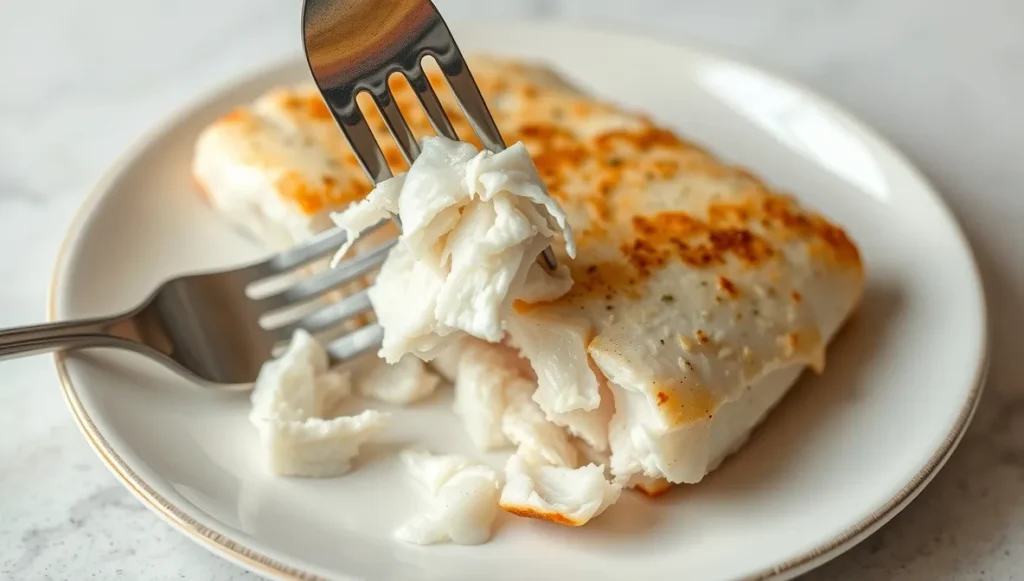
For a standard 1-inch thick fillet, bake for 12-15 minutes. The fish is done when it reaches an internal temperature of 145°F (63°C) and flakes easily with a fork. Overcooking is the enemy of the **baked mahi mahi recipe**, so start checking at the 10-minute mark.
How to Make Blackened Mahi Mahi Recipe
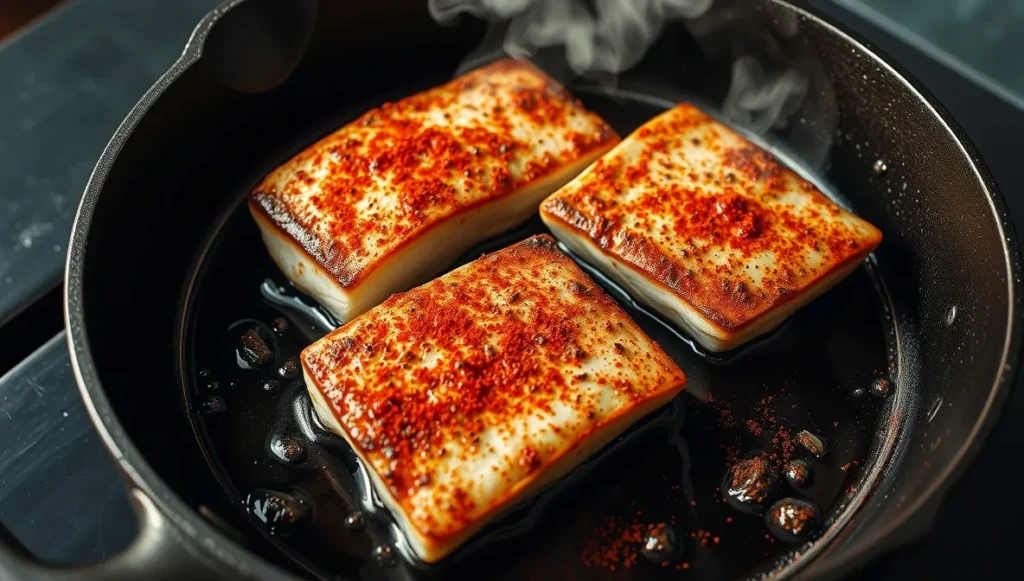
If you prefer a more robust, “Island-style” flavor, the **blackened mahi mahi recipe** is the way to go. This involves coating the fish in a dense layer of spices and searing it in a very hot pan, usually cast iron.
The Blackening Seasoning
You can use store-bought Cajun seasoning or make your own by mixing smoked paprika, onion powder, garlic powder, cayenne pepper, and dried thyme. Dredge the fillets in the spice mix until they are fully coated. The “blackened” look comes from the spices charring in the pan, creating a flavorful crust that seals in the juices.
The Sear
Heat a cast-iron skillet over medium-high heat with a tablespoon of oil. Place the seasoned mahi mahi in the pan and sear for 3-4 minutes per side. This technique is often used in **Quick Recipes** because it takes less than 10 minutes total.
Pairing and Serving Your Mahi Mahi
Because the **recipe mahi mahi fish** is so light, it pairs best with sides that have a bit of texture or a sweet-acidic balance. A fruit-based salsa, such as mango or pineapple, is a classic accompaniment for tropical fish.
Recommended Side Dishes
- **Rice:** A fluffy jasmine rice or a coconut-infused rice works beautifully with both baked and blackened versions.
- **Vegetables:** Roasted asparagus, sautéed kale, or a fresh slaw provide the necessary crunch.
- **Internal Link:** If you want a more indulgent side dish, this fish goes surprisingly well with our candied yams recipe for a sweet and savory holiday-style spread.
For those looking for other fast, high-protein meals, you might also enjoy our famous crack chicken recipe, which is another huge favorite in our **Quick Recipes** category.
Pro Tips for the Best Mahi Mahi Recipe
To truly master **how to cook mahi mahi**, keep these expert tips in mind:
Don’t Crowd the Pan
Whether you are baking or searing, give the fish space. Crowding the fillets leads to a drop in temperature, which results in soggy fish. For the **best mahi mahi recipe**, use a large enough baking sheet or sear in batches.
The Importance of Resting
Just like a steak, fish benefits from a 2-3 minute rest after it comes off the heat. This allows the juices to redistribute, ensuring that every bite is moist and tender.
Frequently Asked Questions
How long do you cook mahi mahi?
The general rule for any **mahi mahi recipe** is 10 minutes per inch of thickness at 400°F. If you are pan-searing, it’s usually 3-4 minutes per side. Always use a meat thermometer to ensure the internal temp reaches 145°F.
Is mahi mahi a healthy fish?
Yes! Mahi mahi is an excellent source of lean protein, Vitamin B12, and Potassium. It is lower in fat than salmon, making it a staple for those following a heart-healthy or Mediterranean-style diet. You can find more details in our mediterranean salmon recipe article.
Can I cook mahi mahi from frozen?
While possible, it is not recommended for the **best mahi mahi recipe** results. Cooking from frozen often leads to an uneven texture where the outside is overcooked and the inside is still cold. For the best flavor, thaw your fillets overnight in the refrigerator.
What does mahi mahi taste like?
It has a mild, sweet flavor. It is often described as a middle ground between the lightness of cod and the meatiness of swordfish. This makes it a great “entry-level” fish for people who aren’t fans of “fishy” tasting seafood.
Conclusion: A Tropical Delight at Home
Mastering a **mahi mahi recipe** opens up a world of culinary possibilities. From the simple elegance of a lemon-butter bake to the spicy kick of a blackened fillet, this fish is a true crowd-pleaser. Its firm texture and mild flavor make it one of the most reliable choices for a fast **Dinner** or a special occasion meal. By following our tips on preparation and temperature control, you can bring the taste of the tropics to your kitchen any night of the week.
For more information on the sustainability of mahi mahi and how to choose responsibly caught seafood, please visit the NOAA Fisheries species guide.
Enjoy your **amazing** **mahi mahi recipe** and let the fresh, vibrant flavors transport you to the islands!
Recipe Summary: 20-Minute Lemon Garlic Mahi Mahi
→ Ingredients
- 2 (6 oz) Mahi Mahi Fillets
- 2 Tbsp Melted Butter
- 1 Tbsp Olive Oil
- 2 cloves Garlic, minced
- 1 tsp Lemon Zest
- 1 Tbsp Fresh Lemon Juice
- 1/2 tsp Salt & 1/4 tsp Black Pepper
- Fresh Parsley for garnish
Steps to Follow (How to Cook Mahi Mahi)
- **Prep:** Preheat oven to 400°F (200°C). Pat the mahi mahi fillets completely dry with paper towels.
- **Season:** In a small bowl, whisk together melted butter, olive oil, garlic, lemon zest, lemon juice, salt, and pepper.
- **Coat:** Place fish in a baking dish and pour the butter mixture over the top, ensuring they are well coated.
- **Bake:** Roast for 12-15 minutes, or until the fish flakes easily with a fork and reaches 145°F.
- **Serve:** Garnish with fresh parsley and an extra squeeze of lemon. Serve immediately.
Tools You’ll Need
- Baking Dish
- Small Whisk
- Instant-Read Thermometer
4 thoughts on “Amazing Mahi Mahi Recipe: The Best Way to Cook This Tropical Fish – Flavorilla Recipes”