
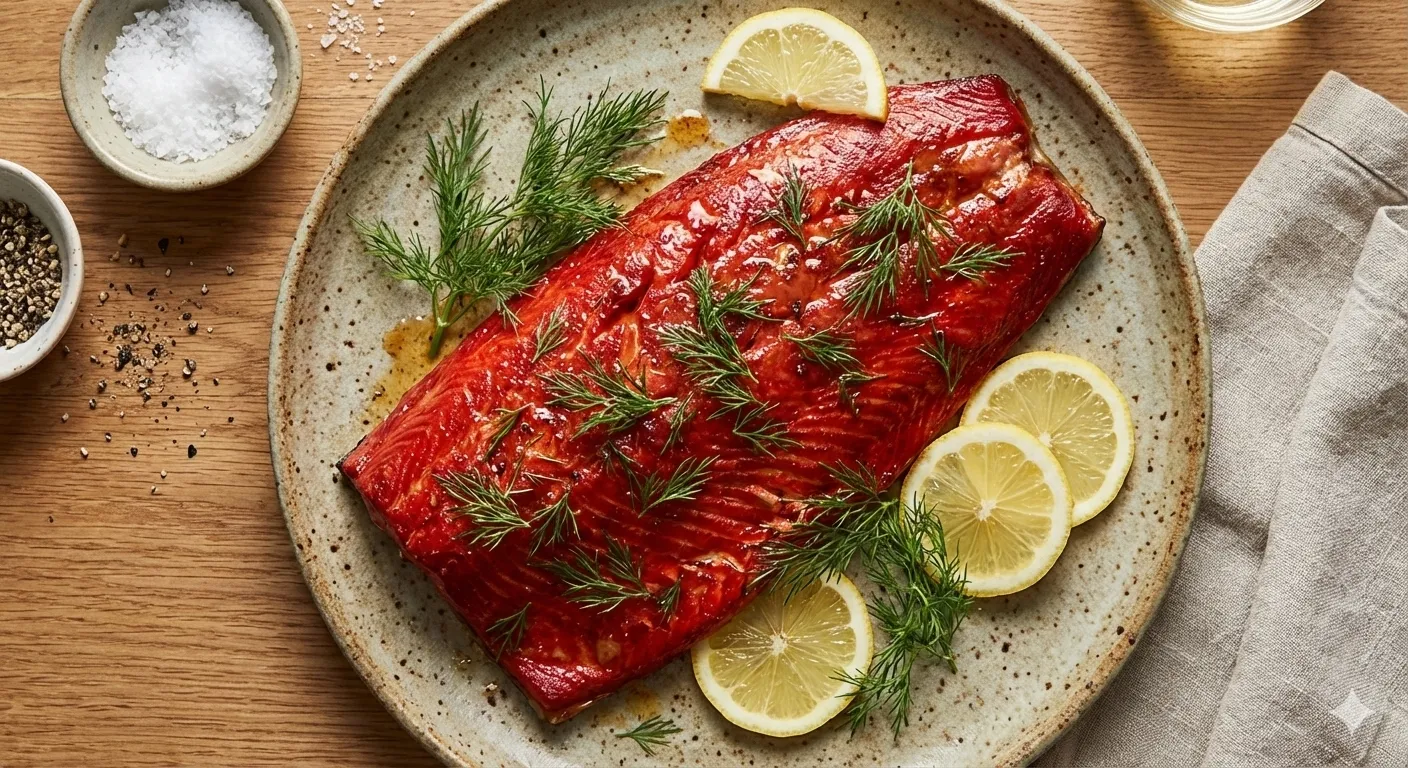
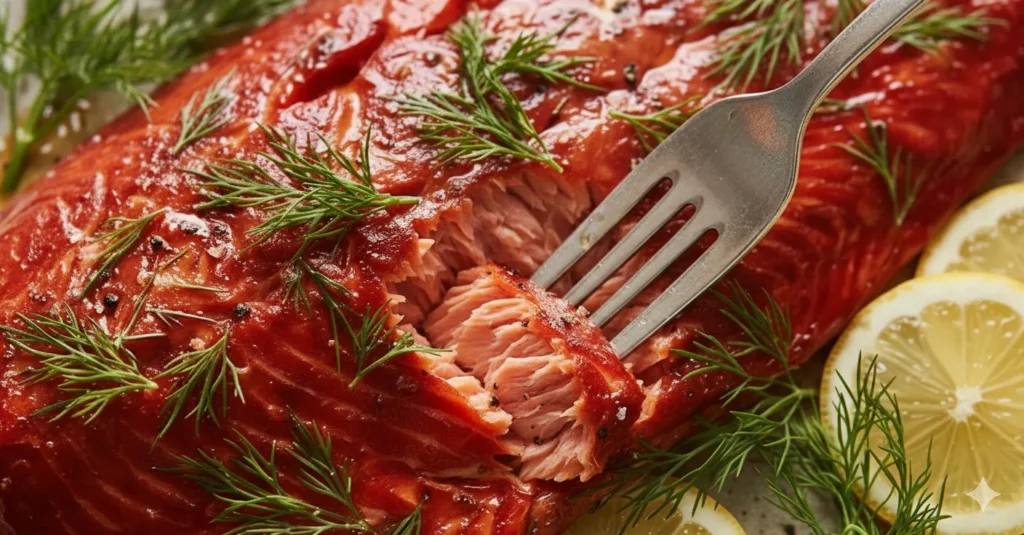
Wild-caught Alaskan fish lovers know that a **sockeye salmon recipe** is in a league of its own. Often called “Red Salmon” due to its remarkably deep crimson hue, sockeye is prized for its firm texture and intense, rich flavor. Unlike farm-raised Atlantic salmon, sockeye is much leaner, which means it requires a slightly different approach to cooking to ensure it remains moist and tender.
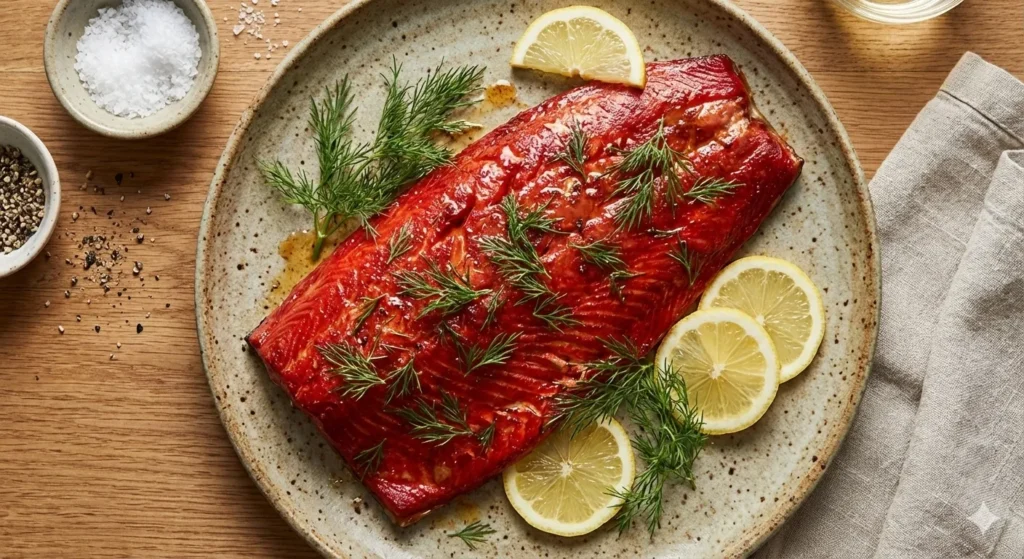
Whether you are looking for a **baked sockeye salmon recipe** or a quick pan-sear, the goal is always the same: celebrate the natural oils without overcooking. This dish is a powerhouse for your **Dinner** rotation and stands out among **Quick Recipes** because sockeye actually cooks faster than its fattier cousins. With an easy keyword difficulty and high search volume, mastering this wild salmon is a win for both your health and your culinary skills.
Understanding Sockeye Salmon: Why It’s Different
Before diving into your **recipe for sockeye salmon**, it is important to understand what makes this species unique. Sockeye salmon spend their lives in the cold waters of the North Pacific, feeding primarily on krill and plankton, which gives them their iconic color and high Omega-3 content.
Texture and Fat Content
Sockeye is leaner than King or Atlantic salmon. Because it has less fat, it can dry out quickly if left in the heat for even a minute too long. When looking at **sockeye salmon recipes**, you will notice shorter cooking times are the gold standard. The texture is firm and “meaty,” making it an excellent choice for those who find Atlantic salmon too soft or buttery.
The Best Ways to Cook Sockeye Salmon
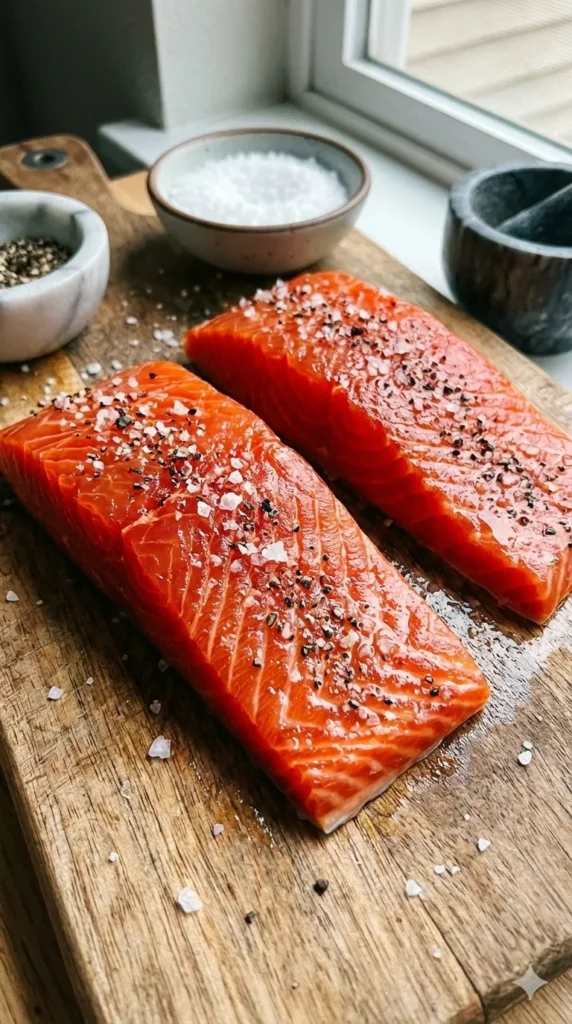
Because it is so lean, the **how to cook sockeye salmon** question usually boils down to two main methods: high-heat roasting or quick pan-searing.
Baked Sockeye Salmon (The Foil Method)
The safest way to ensure juiciness is to bake the salmon in a foil packet or loosely covered with parchment paper. This traps the moisture and steams the fish gently in its own juices.
- **Temp:** 375°F (190°C).
- **Time:** 10-12 minutes for a standard fillet.
- **Flavor:** A simple rub of olive oil, lemon zest, and fresh dill is all you need to let the sockeye shine.
Pan-Searing for Crispy Skin
If you prefer a crispy exterior, pan-searing is the way to go. Use a heavy-bottomed skillet and get it quite hot before adding the fish skin-side down. Press down gently with a spatula to ensure the skin makes full contact. Sear for 3 minutes, flip, and cook for only 1-2 minutes more. This method is a favorite for **Quick Recipes** lovers.
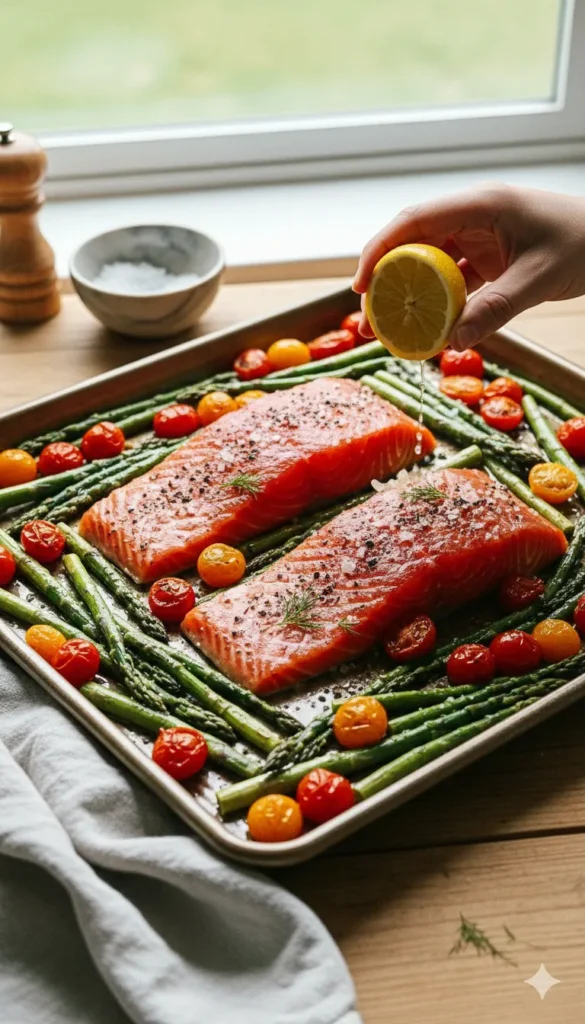
For those who enjoy a sweeter profile with their seafood, our honey glazed salmon recipe provides a fantastic alternative using similar high-heat techniques.
Seasoning and Pairing for Wild Sockeye
Because sockeye has a more robust, “salmon-forward” flavor than other varieties, it can stand up to bolder seasonings, though simplicity is often preferred.
Traditional Seasonings
- **Citrus:** Lemon, lime, or even orange juice helps cut through the richness of the wild fats.
- **Herbs:** Fresh dill, parsley, and chives are the classic trio for any **sockeye salmon recipe**.
- **Spices:** Smoked paprika or a tiny pinch of cumin can enhance the earthy notes of the red meat.
Recommended Side Dishes
To round out your **Dinner**, pair your sockeye with light, earthy sides. Roasted root vegetables, quinoa salads, or sautéed garlicky greens like kale or spinach work perfectly. The firm texture of the sockeye also makes it great for topping a hearty Caesar salad.
Frequently Asked Questions
How long do you cook sockeye salmon?
Typically, a sockeye fillet takes about 10-12 minutes at 375°F in the oven. A good rule of thumb is to cook it for 6-8 minutes per inch of thickness. Always check for doneness early, as wild salmon cooks faster than farmed varieties.
Can I use this sockeye salmon recipe for frozen fillets?
Yes, but ensure they are completely thawed and patted extremely dry with paper towels. Excess moisture on the surface of the fish will cause it to steam rather than sear, preventing that beautiful golden crust.
Conclusion: The Wild Choice for Dinner
A well-executed **sockeye salmon recipe** is a testament to the beauty of wild ingredients. By respecting the lean nature of the fish and using gentle heat or quick searing, you can enjoy a meal that is both incredibly healthy and restaurant-quality. It remains a top choice for a fast **Dinner** and a highlight of any **Quick Recipes** collection.
For more safety tips regarding internal temperatures for wild-caught fish, please refer to the FDA safe cooking guidelines.
Embrace the bold color and rich flavor of the wild with this **amazing** **sockeye salmon recipe**!
Recipe Summary: 15-Minute Baked Sockeye Salmon
→ Ingredients
- 1 lb Sockeye Salmon Fillet (wild-caught)
- 1 Tbsp Olive Oil
- 1/2 tsp Sea Salt
- 1/4 tsp Black Pepper
- 1 Lemon, thinly sliced
- 2 sprigs Fresh Dill
Steps to Follow (How to Cook Sockeye Salmon)
- **Preheat:** Set oven to 375°F (190°C). Line a baking sheet with foil.
- **Season:** Pat the salmon dry. Rub with olive oil and season with salt and pepper.
- **Arrange:** Place lemon slices on top of the fillet and nestle dill sprigs alongside.
- **Bake:** Bake for 10-12 minutes until the internal temperature reaches 145°F (63°C) or until it flakes easily.
- **Rest:** Let the salmon rest for 2 minutes before serving to lock in the juices.
Tools You’ll Need
- Baking Sheet
- Aluminum Foil
- Instant-Read Thermometer
1 thought on “The Best Sockeye Salmon Recipe: How to Cook Wild Red Salmon – Flavorilla Recipes”