
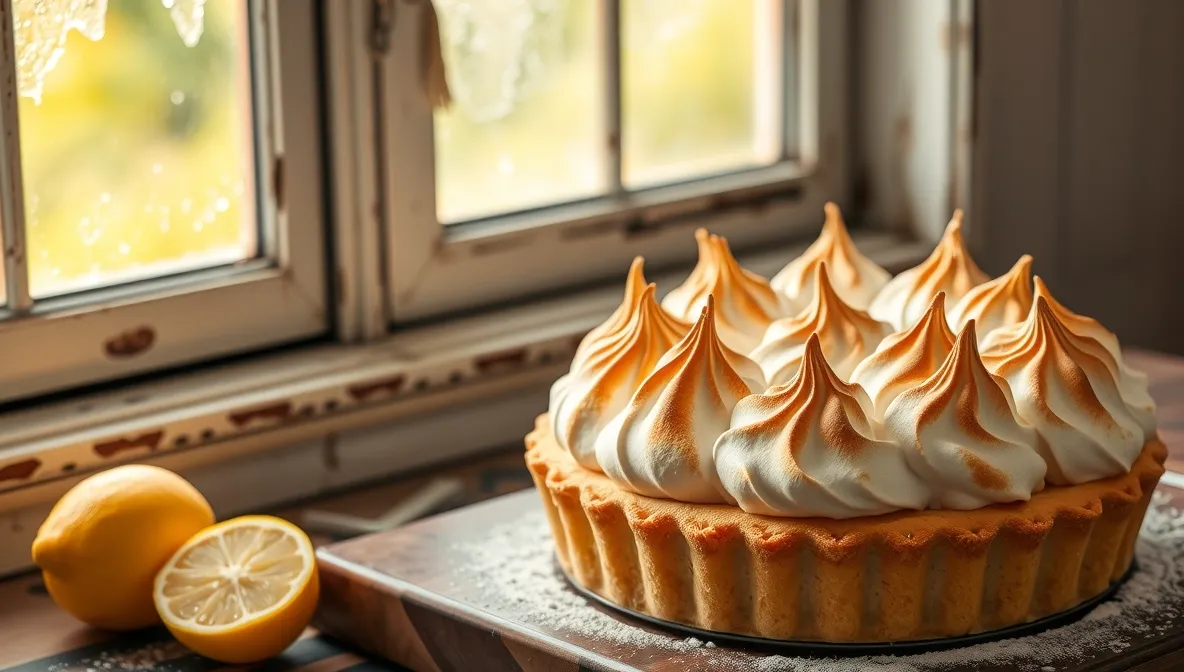
The **meringue recipe** is often considered the ultimate test of a baker’s patience and precision. It is a magical transformation where simple, translucent egg whites are whipped into a voluminous, cloud-like foam that can be baked into crispy cookies or piled high on a tart. Whether you are looking for a delicate meringue cookies recipe or the towering topping for a classic lemon meringue pie recipe, understanding the science of aeration is key to success.
At its core, a meringue recipe is an emulsion of air in liquid. By mechanical agitation, we unfold the proteins in egg whites, allowing them to trap air bubbles while sugar stabilizes the entire structure. While it sounds technical, the process is incredibly rewarding once you master the nuances. With over 27,000 people searching for the best way to cook meringue every month, it is clear that this foundational skill is a high priority for home bakers everywhere. In this guide, we will explore the different types of meringue, common pitfalls to avoid, and the exact steps to achieve those coveted stiff peaks.
- Egg Whites: Room Temperature is Key
- The Role of Acidic Stabilizers
- French Meringue: Simple and Light
- Swiss Meringue: Smooth and Marshmallowy
- Italian Meringue: The Gold Standard
- How do I make meringue for a pie?
- Can you over-whip meringue?
- Why did my meringue cookies turn soft?
- Is it safe to eat raw meringue?
- Recipe Summary: Basic French Meringue
- Steps to Follow (How to Make Meringue)
The Science Behind the Best Meringue Recipe
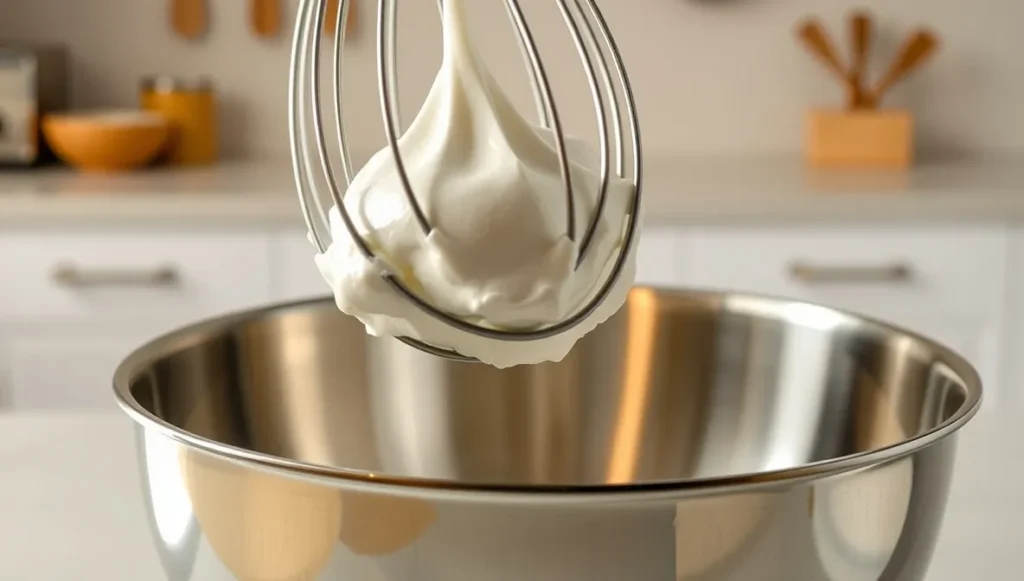
Understanding the chemistry of an **egg white meringue** is the first step toward mastery. Egg whites are approximately 90% water and 10% protein. When you whisk them, you are physically stretching those proteins. As they stretch, they bond together to form a net that traps air. Sugar isn’t just for sweetness; it acts as a molecular “glue” that prevents the water from escaping and the bubbles from popping. This is why the timing of when you add sugar in your **how to make meringue recipe** process is so critical.
Essential Ingredients for Your Meringue Recipe
Precision starts with your ingredients. To get the **best meringue recipe** results, you need to be picky about your staples.
Egg Whites: Room Temperature is Key
While eggs are easier to separate when cold, the proteins in room-temperature whites are more elastic and can expand to a much greater volume. If you’re in a rush to start your **meringue cookies recipe**, place your whole eggs in a bowl of warm water for 5 minutes before cracking them.
The Role of Acidic Stabilizers
Whether you use cream of tartar, lemon juice, or white vinegar, an acid is non-negotiable. It lowers the pH of the egg whites, which allows the proteins to form a more flexible and stable bond. This is the secret to ensuring your **lemon meringue pie recipe** doesn’t collapse under its own weight.
Mastering the Different Meringue Methods
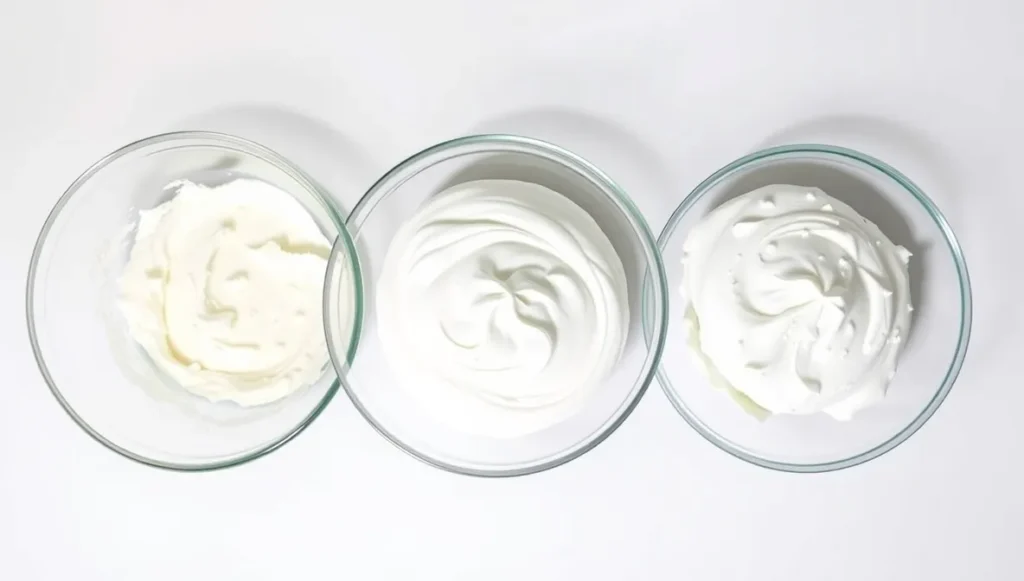
Depending on your final dish, you will choose between the French, Swiss, or Italian methods. Each offers a different level of stability for when you **cook meringue**.
French Meringue: Simple and Light
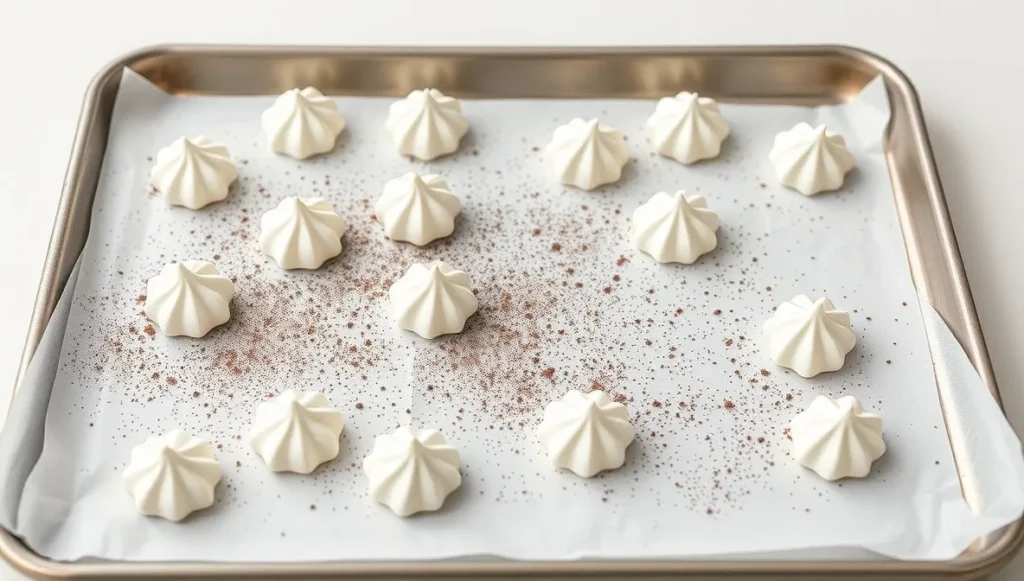
This is the “beginner” **meringue recipe**. It is made by whipping sugar into raw egg whites. It’s light and airy but the least stable, making it perfect for items that will be baked immediately, like our favorite **meringue cookies recipe**.
Swiss Meringue: Smooth and Marshmallowy
This involves heating the egg whites and sugar over a double boiler before whipping. It is much more stable than French and is the foundation for a decadent **swiss meringue buttercream recipe**.
Italian Meringue: The Gold Standard
By pouring hot sugar syrup into whipping whites, you essentially “cook” the meringue as it forms. This is the sturdiest version, ideal for a **lemon meringue pie recipe** that needs to hold its shape for several days in the fridge.
Pairing Your Meringue with Savory Favorites
Meringue is the ultimate sweet finish to a hearty meal. If you are planning a dinner party, consider starting with something savory like our shredded chicken recipes or a refreshing mahi mahi recipe. The light, airy texture of a **meringue cookies recipe** is the perfect palate cleanser after a rich crack chicken recipe.
For a Mediterranean-themed evening, pair your meringue with a mediterranean salmon recipe. The contrast between the savory fats of the salmon and the crisp sweetness of the meringue is a culinary delight.
Frequently Asked Questions
How do I make meringue for a pie?
For a pie, always use the Italian or Swiss method. Spread the **meringue recipe** onto the filling while the filling is still hot—this “anchors” the meringue and prevents it from sliding off or weeping.
Can you over-whip meringue?
Yes. If you whip it too long, the protein structure will break, and the mixture will look grainy and start to leak water. Once you reach stiff, glossy peaks, stop the mixer immediately.
Why did my meringue cookies turn soft?
Sugar is hygroscopic, meaning it absorbs moisture from the air. If you live in a humid climate, your **meringue cookies recipe** will become chewy or sticky. Store them in an airtight container as soon as they cool.
Is it safe to eat raw meringue?
French meringue uses raw egg whites and should be baked. Italian and Swiss meringues reach temperatures that effectively pasteurize the eggs, making them safer for use in unbaked frostings.
Conclusion: Your Journey to Perfect Peaks
Mastering a **meringue recipe** opens a world of dessert possibilities. From the simple elegance of a **meringue cookies recipe** to the show-stopping height of a **lemon meringue pie recipe**, this foundational skill is well worth the practice. Remember to keep your equipment grease-free, use room-temperature eggs, and be patient with your sugar.
For more technical details on the properties of eggs in baking, visit the American Egg Board for professional resources.
Try this **amazing** **meringue recipe** today and see the magic of egg whites for yourself!
Recipe Summary: Basic French Meringue
→ Ingredients
- 4 large Egg Whites
- 1 cup Superfine Sugar
- 1/2 tsp Cream of Tartar
- 1 tsp Vanilla Extract
Steps to Follow (How to Make Meringue)
- **Prep:** Ensure bowl and whisk are grease-free. Whisk whites and cream of tartar until frothy.
- **Build:** Increase speed to medium and add sugar one tablespoon at a time until soft peaks form.
- **Stiffen:** Whip on high until stiff, glossy peaks stand upright.
1 thought on “The Ultimate Meringue Recipe: Guide to Perfect Stiff Peaks – Flavorilla Recipes”